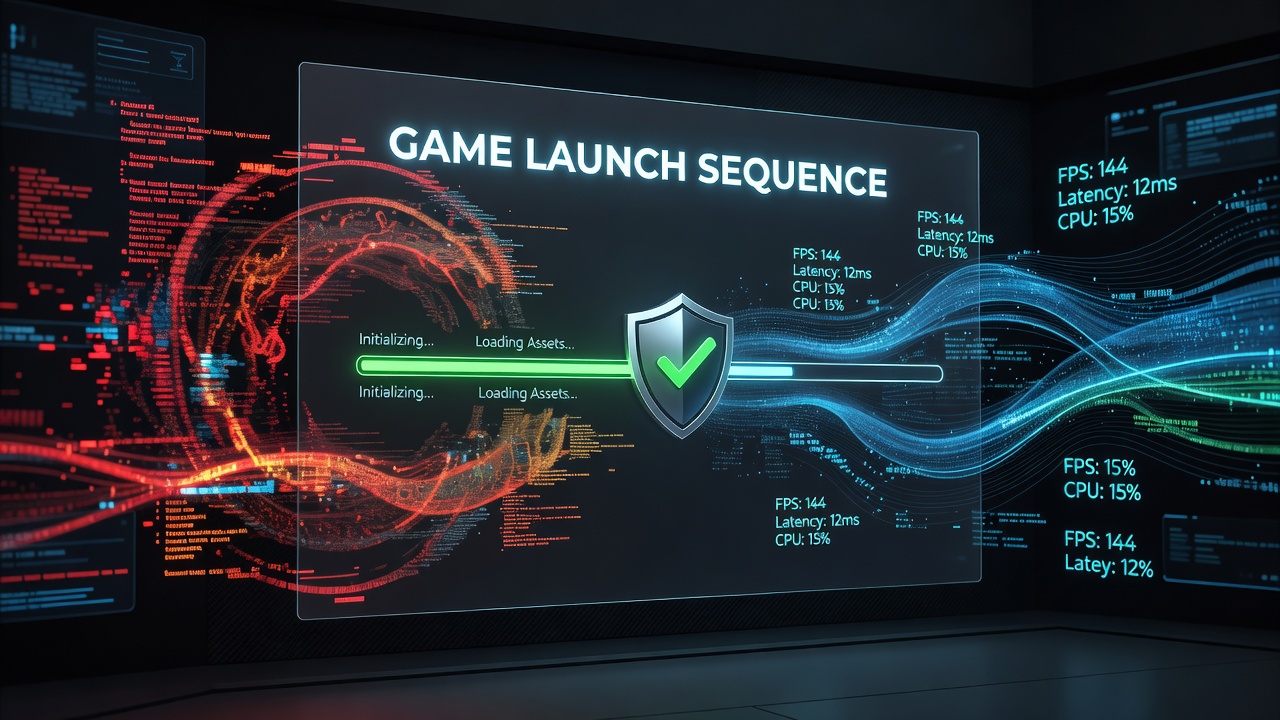
Resolving Antivirus Interference Patterns That Disrupt Game Launch Sequences and Real-Time Performance Metrics in Modern Titles
Antivirus programs frequently interact with game executables and associated libraries in ways that create noticeable disruptions, and these patterns have become more pronounced as titles grow larger with complex real-time rendering demands. Data from security monitoring tools shows that real-time scanners often hook into process creation events, which leads to extended initialization times when a game attempts to load its core assets and network modules simultaneously.
Common Interference Mechanisms in Modern Gaming Environments
Researchers have documented several recurring behaviors where antivirus engines perform on-access scans during the exact moments when games request file reads for shaders, textures, and executable modules, and this overlap generates launch delays that range from several seconds to complete failures in some configurations. Those who've analyzed system logs note that behavioral detection routines can flag legitimate game processes as suspicious when they exhibit high CPU or disk activity patterns typical of modern engines, which triggers additional verification steps that interrupt the sequence.
What's interesting is how these interferences extend beyond initial startup into ongoing sessions, because background monitoring continues to evaluate memory allocations and network packets exchanged during multiplayer interactions. Studies from academic institutions in Europe indicate that certain antivirus configurations allocate resources in a manner that competes directly with frame rendering pipelines, resulting in measurable drops in frames per second and increased input latency during intense gameplay sequences.
Impact on Launch Sequences Across Popular Titles
Game launch sequences rely on rapid sequential loading of dependencies, yet antivirus software that enforces strict whitelisting policies or performs deep packet inspection on local assets can insert mandatory pauses while it completes signature matching and heuristic analysis. Observers note that titles released after 2024 have shown particular sensitivity because their anti-cheat systems and launcher components trigger more frequent file access events, which in turn activate repeated scans from security software running in the background.
As of August 2026, updated threat definitions in multiple antivirus products have begun to include broader behavioral profiles for gaming applications, and this shift has led to new instances where previously stable launches now encounter interference. Data indicates that users who maintain large game libraries experience these patterns more often since the cumulative size of installed files increases the scope of each scan operation.
Effects on Real-Time Performance Metrics
Performance metrics such as frame rates, frame time consistency, and network throughput suffer when antivirus tools conduct periodic memory scans or network traffic analysis during active gameplay, and this occurs because the security processes share system resources with the game engine's rendering thread. Figures from industry monitoring reveal that high-priority scan tasks can preempt GPU command buffers, which produces the stuttering and metric fluctuations reported in demanding single-player campaigns and competitive online matches alike.
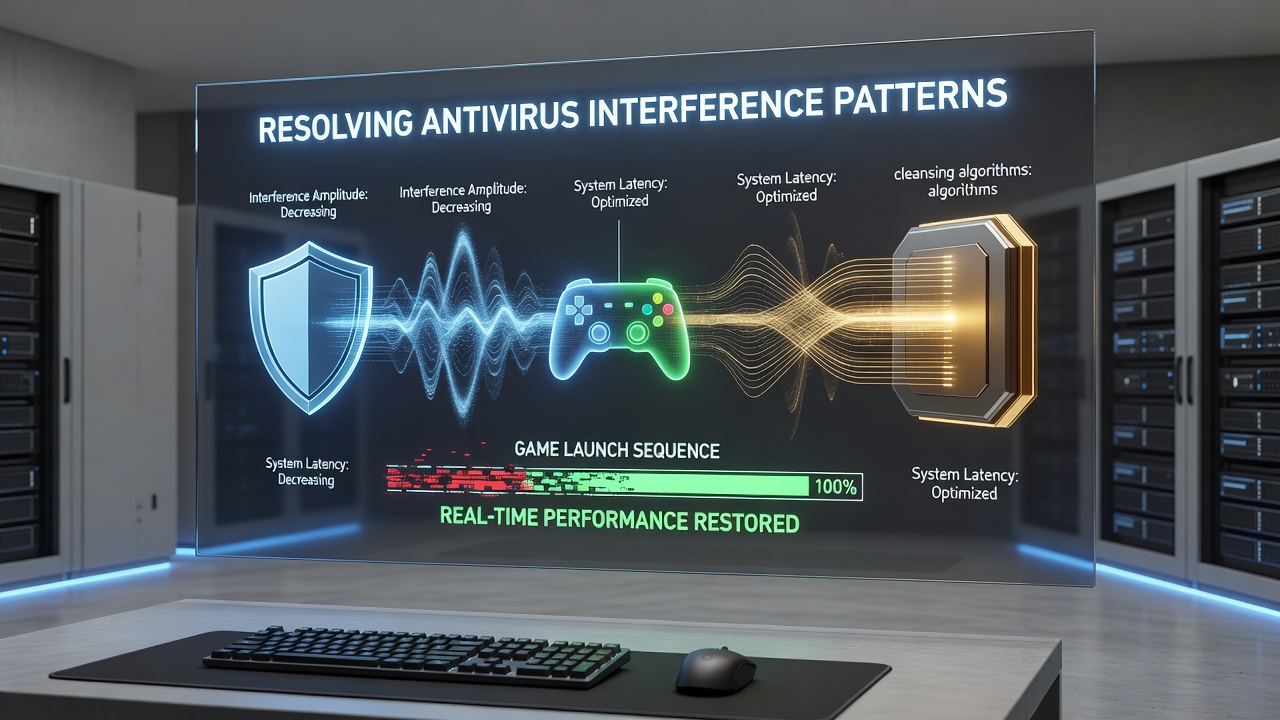
Those monitoring telemetry from modern titles observe that real-time metrics degrade further when antivirus programs apply machine learning models to classify in-game behavior, since these models require continuous data sampling that overlaps with the game's own performance tracking systems. The ball's in the court of system administrators to adjust exclusion rules so that critical game directories avoid unnecessary inspection during active sessions.
Strategies for Mitigating These Interference Patterns
Effective resolution begins with configuring antivirus exclusions for game installation folders, executable files, and associated temporary directories, and this approach prevents repeated scans while preserving overall system protection levels. Experts recommend testing launch sequences after each exclusion addition because some products require specific syntax or registry entries to fully bypass real-time hooks.
Another avenue involves adjusting antivirus scheduling so that full system scans occur during periods when gaming activity is unlikely, and this timing alignment reduces the chance of background processes competing with real-time performance requirements. Research from Canadian cybersecurity agencies shows that combining exclusion lists with lowered scan priority settings yields measurable improvements in both launch reliability and sustained frame delivery across multiple hardware configurations.
Users can also explore application-specific modes offered by certain antivirus vendors that recognize gaming executables and temporarily relax monitoring intensity, although verification through system logs remains essential to confirm the changes take effect. The writing's on the wall that proactive management of these settings prevents most documented interference cases without compromising broader security posture.
Conclusion
Antivirus interference with game launches and performance metrics stems from predictable interactions between security scanning routines adn the resource demands of contemporary titles, and targeted configuration changes address the majority of reported issues. Continued monitoring of software updates from both game developers and security vendors helps maintain stability as new patterns emerge in August 2026 and beyond. Those who implement exclusion policies and schedule adjustments consistently report smoother sequences and stable metrics across their gaming setups.