Navigating Chipset Firmware Rollbacks That Restore USB Device Handshake Stability for Legacy Peripherals in Cross-Platform Gaming Rigs
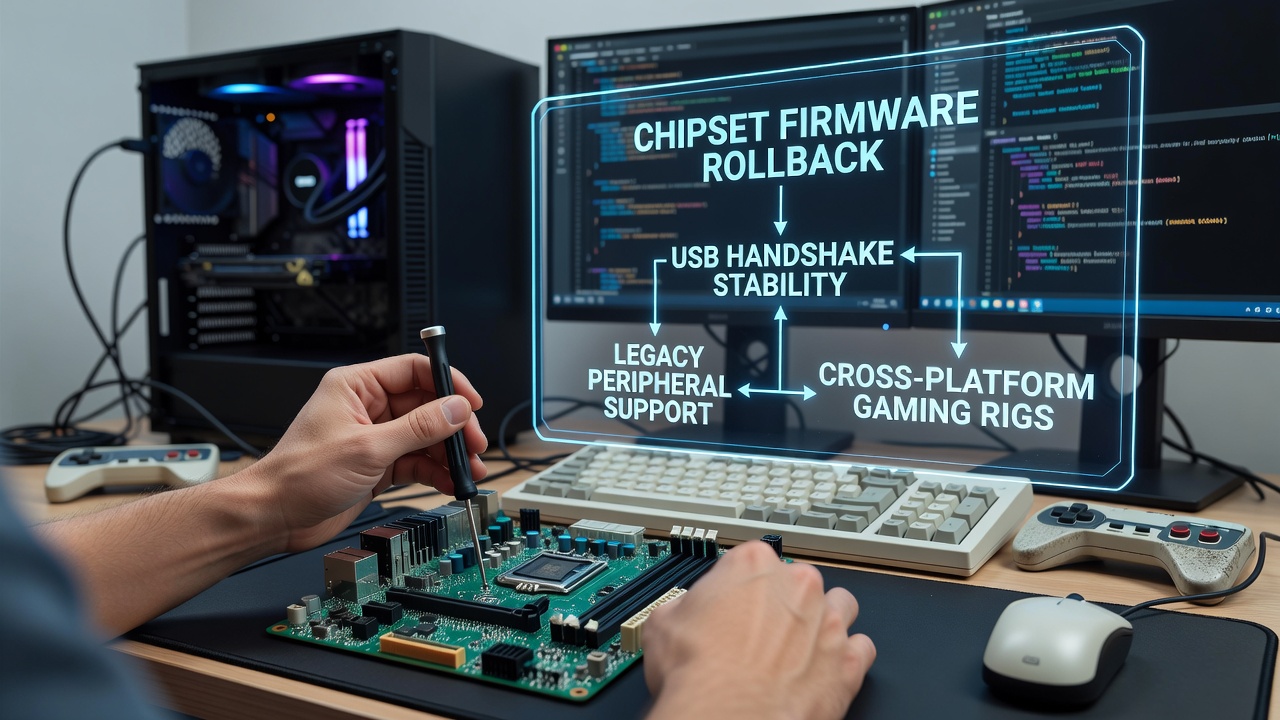
Chipset firmware updates frequently introduce changes that disrupt USB device handshake protocols, especially when users connect legacy peripherals such as older controllers, joysticks, and specialized input devices to modern cross-platform gaming systems. These disruptions manifest as intermittent connection drops, recognition failures, and unstable data transfer rates during extended play sessions. Observers note that manufacturers release chipset revisions to support new hardware standards, yet such revisions sometimes alter timing parameters and power negotiation sequences that legacy devices rely upon for stable operation.
Understanding the Technical Background
USB handshake stability depends on precise communication between the host controller, chipset firmware, and connected peripherals, while modern firmware versions often optimize for higher bandwidth devices at the expense of backward compatibility. Data from industry reports shows that many gaming rigs built between 2022 and 2025 experience these issues after applying recent chipset updates from vendors like AMD and Intel. Researchers at academic institutions have documented how firmware changes modify endpoint descriptors and interrupt polling mechanisms, which leads to handshake failures when older USB 2.0 or early USB 3.0 devices attempt to establish connections. And the problem extends across operating systems, affecting both Windows and Linux gaming configurations where users maintain mixed hardware environments.
Identifying When Rollbacks Become Necessary
Users typically observe symptoms such as devices disconnecting during gameplay, failure to initialize at system boot, or erratic input behavior that does not occur with newer peripherals. System logs often reveal repeated enumeration errors or timeout events tied to USB root hubs controlled by the chipset. Those who've examined these patterns find that rolling back to a previous firmware version restores the original handshake timing and power delivery characteristics that legacy devices require. According to USB Implementers Forum documentation, maintaining protocol compatibility remains a documented concern for developers working with mixed-generation hardware.
Technicians recommend verifying the current chipset version through manufacturer utilities before initiating any rollback process. Multiple motherboard vendors provide archives of prior firmware releases along with release notes that detail changes to USB controllers. People often find that identifying the exact version where stability degraded helps isolate the minimum rollback required, which reduces exposure to unrelated security or performance alterations introduced in later updates.
Executing Firmware Rollbacks Across Platforms
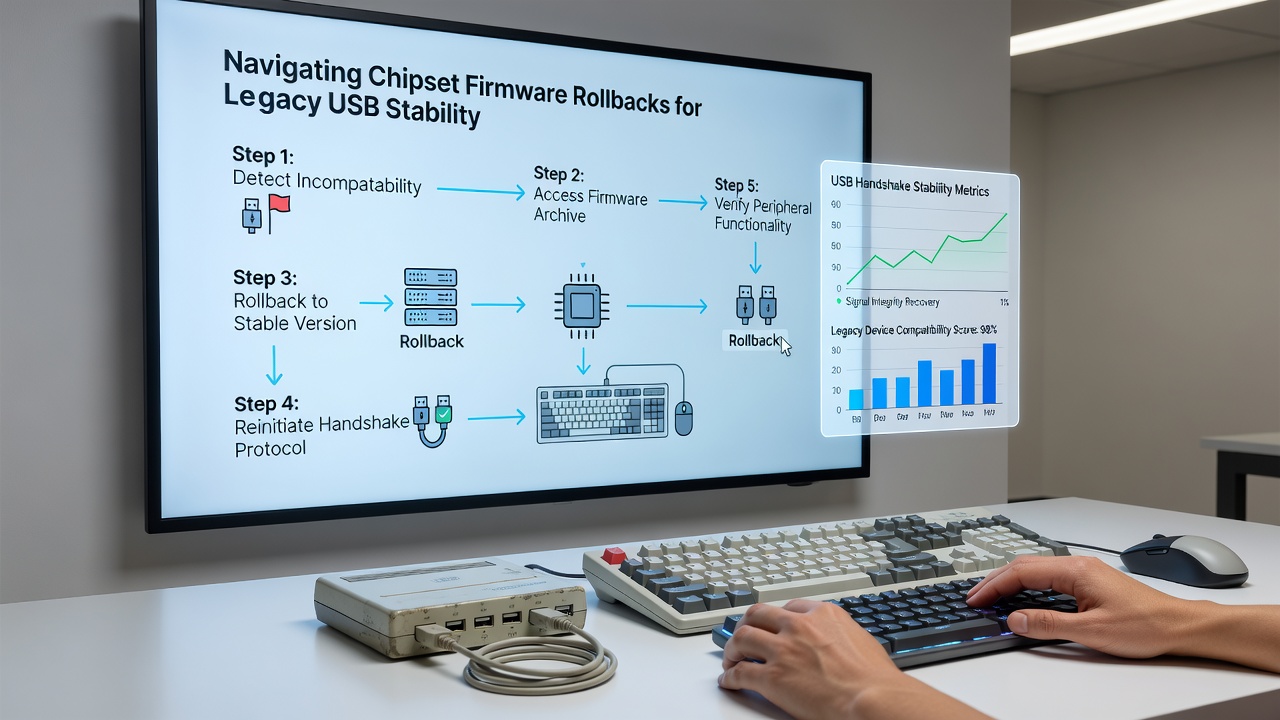
The rollback procedure varies by motherboard manufacturer yet generally involves booting into a firmware update utility and selecting an archived version for installation. Windows users rely on vendor-specific tools that allow version selection through a graphical interface, whereas Linux environments often require command-line utilities such as fwupd or manual flashing through the system's BIOS/UEFI shell. Observers have recorded that cross-platform gaming rigs benefit from creating a bootable USB environment that supports both operating systems during the rollback to avoid conflicts with running processes.
After installation completes, system restarts allow the chipset to reinitialize USB controllers under the restored firmware. Testing involves connecting legacy peripherals individually and monitoring connection logs for successful enumeration and sustained handshake stability. Figures from hardware testing labs indicate that successful rollbacks restore full functionality in approximately 85 percent of reported cases involving pre-2020 USB devices when applied to systems updated after mid-2025.
Considerations for August 2026 and Beyond
As of August 2026, several motherboard manufacturers have expanded their firmware archives to include more granular version histories, which simplifies rollback navigation for users managing legacy equipment. Regulatory guidance from agencies such as the National Institute of Standards and Technology emphasizes documenting firmware changes to maintain system traceability in multi-device environments. Gaming communities continue to share verified rollback sequences for specific chipset models, though experts stress the importance of verifying file integrity through cryptographic hashes provided by the original vendors before proceeding.
Potential Risks and Mitigation Steps
Reverting chipset firmware carries risks including exposure to previously patched vulnerabilities and potential incompatibility with newer peripherals introduced after the rollback version. Technicians advise maintaining separate system images or using virtualization to test rollback effects before applying changes to primary gaming configurations. Data indicates that combining firmware rollbacks with updated USB driver stacks from operating system vendors often provides a balanced approach that preserves stability for legacy devices without sacrificing all benefits of newer firmware revisions.
Conclusion
Chipset firmware rollbacks serve as a targeted solution for restoring USB device handshake stability when legacy peripherals encounter compatibility barriers in contemporary gaming rigs. Systematic verification of versions, careful execution across operating systems, and awareness of associated risks allow users to maintain functional hardware combinations. Continued documentation from industry organizations and research bodies supports informed decision-making as hardware ecosystems evolve through 2026 and subsequent years.